Naga Mandala
The sacred serpent-worship tradition of Kundapura.
Among the most ancient and spiritually significant cultural traditions of Kundapura is Naga Mandala, a sacred ritual dedicated to the worship of serpent deities. Deeply rooted in the beliefs and customs of coastal Karnataka, it represents the enduring relationship between humans, nature, ancestry and divine forces. For centuries the ritual has been performed in villages, family estates, sacred groves and temples throughout the Kundapura region.
Naga Mandala is not merely a religious ceremony. It is a unique combination of devotion, ritual art, music, dance, mythology and community participation, preserving ancient beliefs that regard serpents as sacred protectors associated with fertility, prosperity, family welfare, agriculture and the natural environment.
Origins of serpent worship
Serpent worship has been practised in coastal Karnataka for thousands of years. Long before the establishment of many present-day temples, local communities revered serpent deities as guardians of land, water sources, forests and family lineages. In Kundapura, serpent worship became closely connected with family well-being, agricultural prosperity, fertility and childbirth, protection from misfortune, the preservation of ancestral traditions and harmony with nature. Many traditional households maintained sacred serpent shrines known as Nagabanas, where serpent deities were worshipped regularly.
 The sacred Mandala
The concept of Naga worship
In Hindu tradition, Nagas are considered divine serpent beings possessing immense spiritual power, associated with Lord Shiva, Lord Vishnu, Subrahmanya, the sacred rivers, fertility and protection. The people of Kundapura traditionally believe that serpent deities safeguard families and lands, and that their worship is essential for maintaining prosperity and harmony. Many families perform special rituals to seek blessings for marriage, children, health, agricultural success and family welfare.
The sacred Mandala
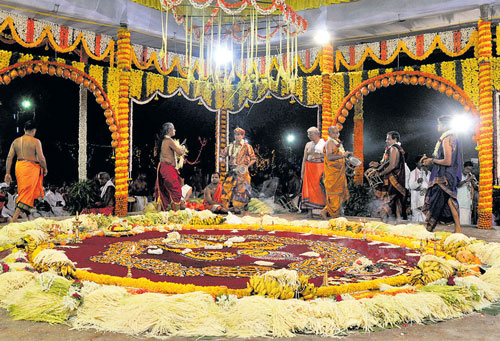
The most visually striking feature of Naga Mandala is the elaborate ritual drawing known as the Mandala. Using natural coloured powders, skilled artists create intricate serpent designs on the ground, a work that may take several hours to complete and is regarded as a sacred offering in itself. The vibrant colours and detailed craftsmanship transform the ritual space into a symbolic representation of the divine serpent world. A Mandala typically contains:
- Interwoven serpent forms, coiled Nagas entwined in symmetry
- Sacred geometric patterns, the cosmic order of the rite
- Floral motifs, offerings woven into the design
- Symbolic designs, the iconography of the serpent world
The ritual ceremony
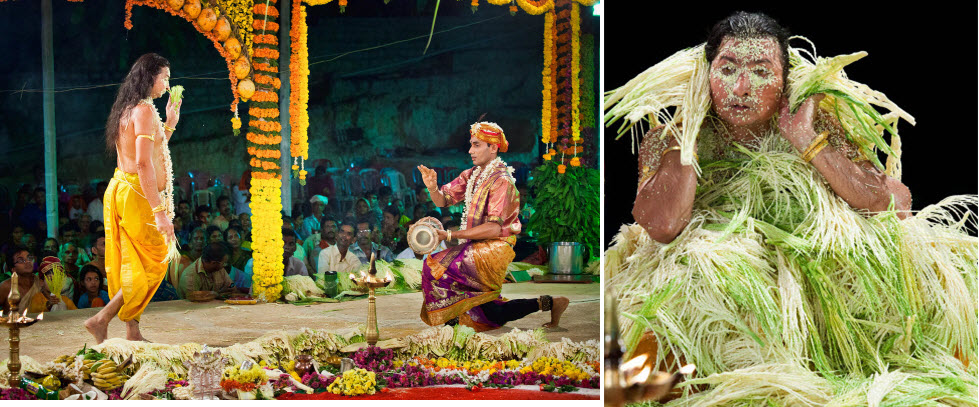
Naga Mandala is usually performed at night and may continue until dawn. Conducted by priests and ritual specialists according to customs preserved for generations, the ceremony brings together invocation of the serpent deities, traditional music, ritual offerings, sacred chanting, dance performances and community participation. As devotees gather around the Mandala to witness the sacred proceedings, the atmosphere becomes deeply spiritual.
The Naga Patri
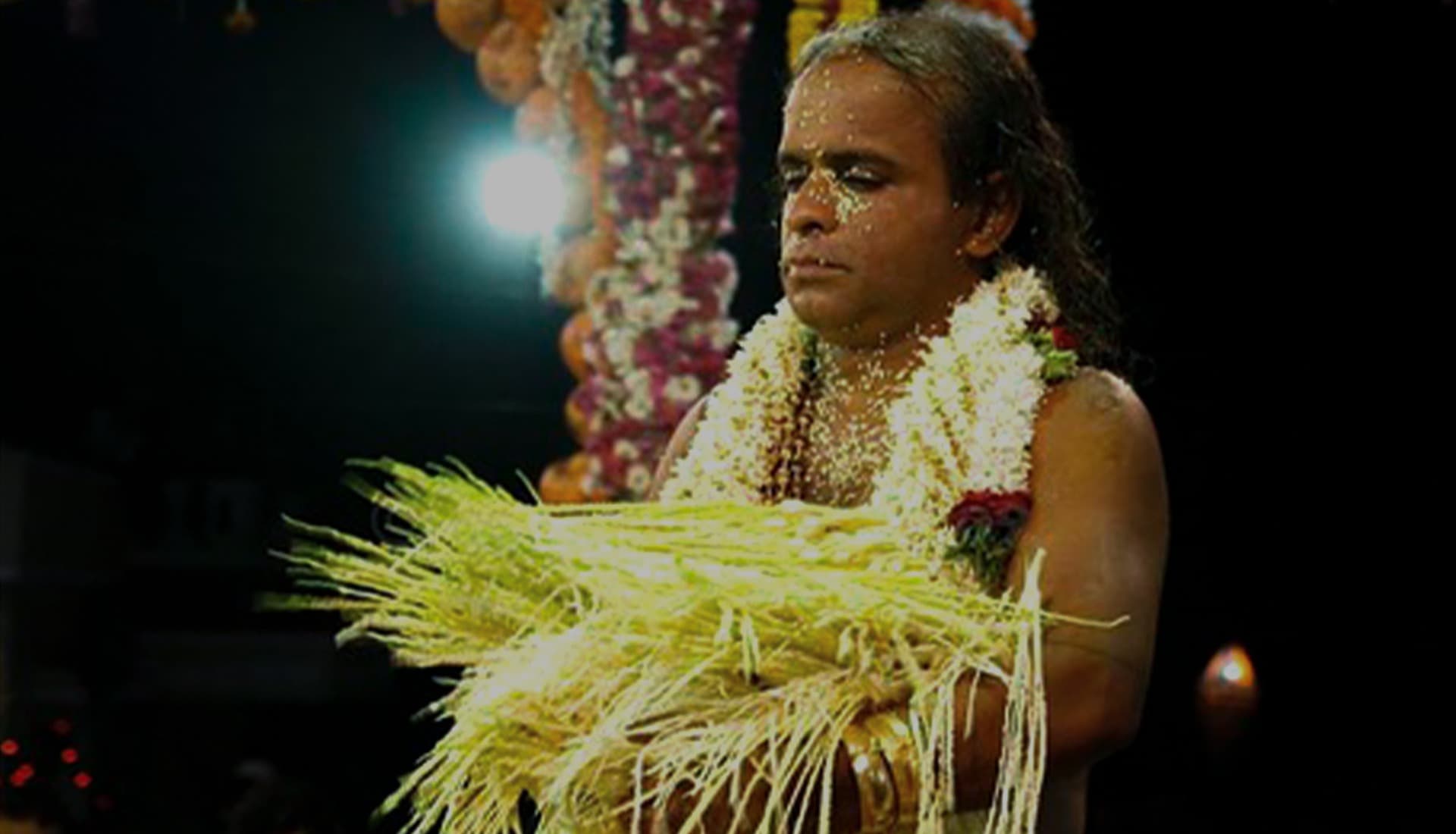
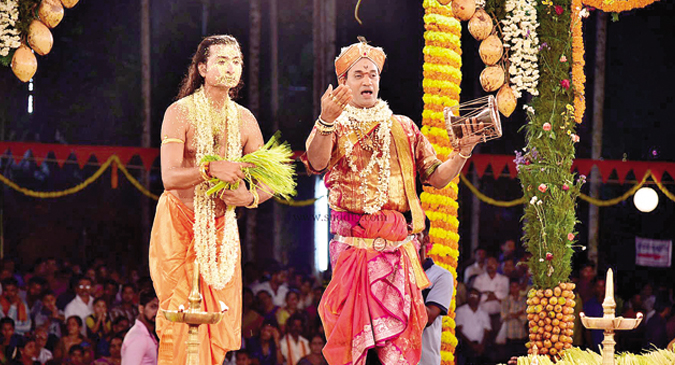
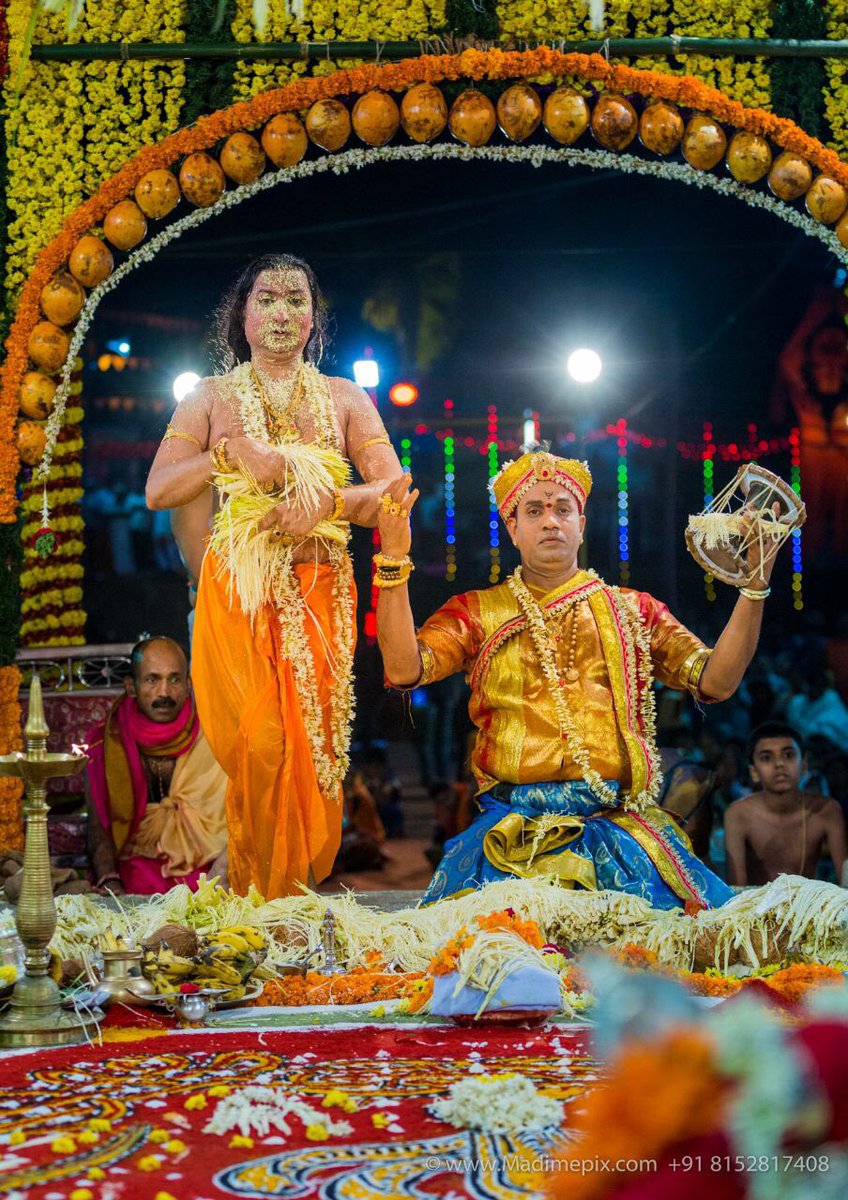
A central figure in many Naga Mandala ceremonies is the Naga Patri, the performer who represents the serpent deity. Through ritual preparation, music and dance, the performer enters a state that devotees regard as divine inspiration. The movements often imitate the graceful motion of serpents and symbolise the presence of the deity within the ritual space; the Patri blesses devotees and takes part in the sacred enactment of serpent mythology.
Music and dance
Music plays a vital role in Naga Mandala. Traditional instruments accompany the ceremony and create a rhythmic atmosphere that supports the ritual process, not merely decorative, but an integral part of the worship. The dance elements are highly symbolic, reflecting serpent movements, divine manifestations, mythological narratives and spiritual transformation, and together these artistic components give the ceremony its unique character.
Family traditions
Many families in Kundapura perform Naga Mandala as part of hereditary traditions. The ritual may be sponsored in fulfilment of vows, to seek blessings, to express gratitude, to continue ancestral customs, or during important family occasions. Participation often extends across multiple generations, strengthening family bonds and cultural continuity.
Connection with nature
One of the most important aspects of Naga worship is its close association with nature conservation. Serpent shrines were traditionally established within sacred groves known as Nagabanas, and these spaces were protected from destruction because they were believed to be the dwelling places of serpent deities. As a result, serpent worship contributed significantly to the preservation of trees, biodiversity, water sources and local ecosystems, demonstrating how spiritual belief supported environmental conservation long before modern ecological movements emerged.
Cultural importance
Naga Mandala occupies a unique position within the cultural heritage of Kundapura, preserving ancient religious beliefs, ritual knowledge, sacred art forms, oral traditions and community participation. It serves as a bridge connecting contemporary society with centuries of cultural history, and remains one of the most respected ritual traditions in many parts of Kundapura taluk.
A living heritage
Modernization has transformed many aspects of life, but Naga Mandala continues to be practised in numerous communities. Local families, temples and cultural organisations work to preserve the ritual by maintaining traditional knowledge and encouraging participation among younger generations. Combining devotion, art, music, dance, mythology and environmental awareness, Naga Mandala stands as a living heritage that has survived for centuries, a reflection of the deep respect the people of Kundapura have traditionally shown toward nature, ancestry and the divine.
References & notes
- Compiled report: "Naga Mandala, the Sacred Serpent Worship Tradition of Kundapura."
- Folklore and ritual studies of Nagaradhane in Tulu Nadu.
Photographs were contributed by residents and visitors documenting the tradition, and are used for educational and cultural reference, not for commercial purposes.